Product Features
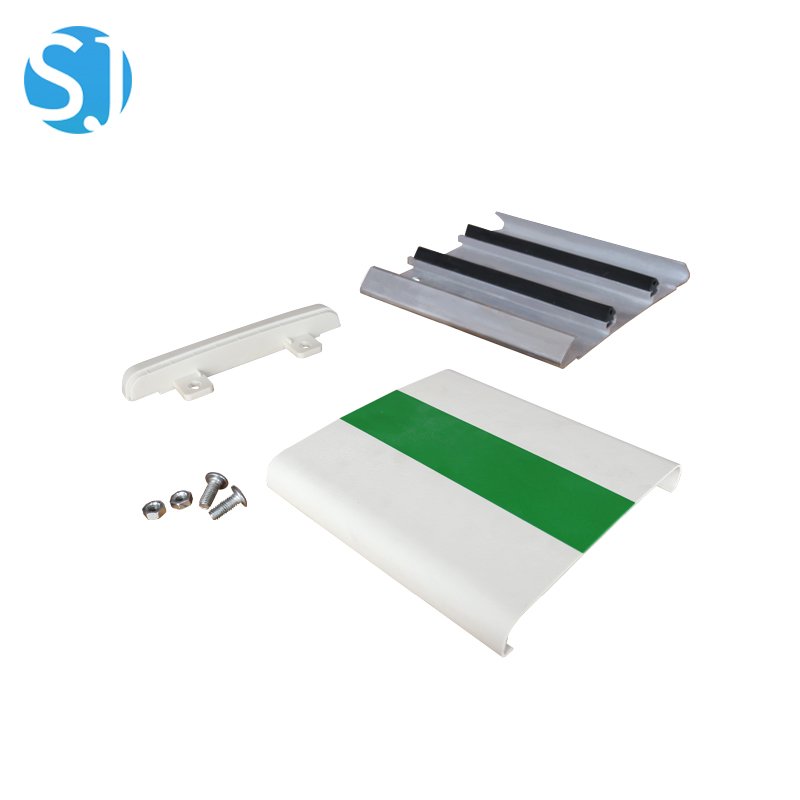
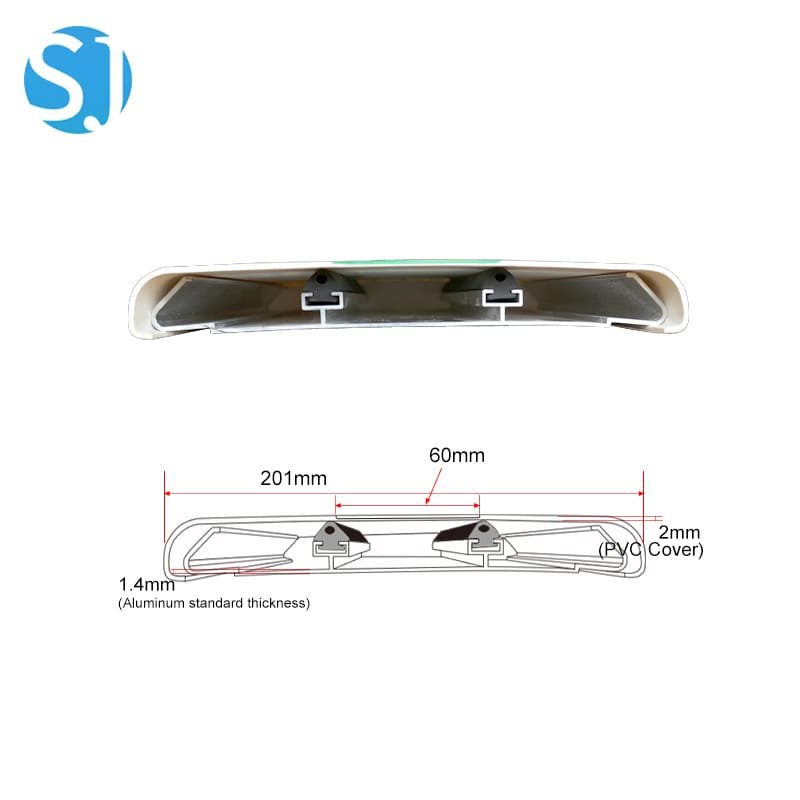
· 200mm heavy-duty profile — the widest wall protection coverage in the WG Series; addresses the full range of equipment contact heights in busy hospital corridors
· Reinforced aluminum core — 1.6mm / 1.8mm thickness options; maximum structural impact absorption capacity
· Antibacterial, flame-retardant PVC cover — full healthcare surface specification
· Rounded profile edge — minimises injury risk from incidental contact across the wide profile
· Concealed bracket installation with reinforced fixing points
· 22 standard colors including wood grain — Pantone custom matching available
· Standard 4m sections, custom lengths available
Product Specifications
| Model | WG-200B |
| Profile width | 200mm |
| Standard length | 4000mm (custom available) |
| Construction | Reinforced aluminum core + PVC / vinyl cover + ABS accessories |
| Aluminum thickness | 1.6mm / 1.8mm |
| Cover features | Flame-retardant, antibacterial, waterproof, chemical-resistant |
| Load capacity | 200 kg/m |
| Mounting height | Typically 450–600mm (wide coverage zone) |
| Installation method | Wall-mounted with reinforced concealed brackets |
| Color options | 22 standard colors + Pantone custom matching |
| Applications | Hospital main corridors, emergency departments, equipment transit routes, large public buildings |
| Packaging | 4m/pc, standard export packaging |
| MOQ | By linear metre |
Applications
· Hospital main corridors and thoroughfares — maximum wall protection for the highest-traffic routes in large hospital facilities
· Emergency department corridors — protection against continuous high-intensity equipment and trolley movement
· Hospital bed transit routes — corridors regularly used for moving patient beds between departments, where bed frame contact risk is highest
· Large public buildings with heavy equipment traffic — airports, transit hubs, large commercial facilities
· Loading and service corridors — back-of-house hospital corridors with frequent trolley and cart traffic
Installation Steps
1. Determine mounting height — standard bumper protection height is 450-550mm from finished floor to the centre of the profile. This zone corresponds to typical cart, hospital bed frame and wheelchair footrest contact height. Confirm with your facility's specification or design team.
2. Mark bracket positions at 500-600mm spacing along the corridor wall.
3. Confirm structural wall substrate at all fixing positions — solid masonry, concrete or timber stud backing is required.
4. Drill pilot holes at each marked position, insert appropriate wall anchors for your substrate type.
5. Mount the ABS brackets using the supplied stainless steel screws, confirming level alignment along the full run with a spirit level.
6. Slide the aluminum core onto the mounted brackets. For continuous runs, butt-join sections with aluminum joining connectors.
7. Fit the PVC/vinyl cover over the aluminum core — the cover clips and snaps securely into position along the full length.
8. Fit ABS end caps and corner fittings at run ends and wall corners.
9. Apply a firm load test at multiple points along the installed wall guard before the corridor is returned to use.
· The 200mm profile projects further from the wall and is heavier than narrower WG models. Confirm bracket spacing of 400-500mm and verify structural substrate at every fixing point.
· Confirm no door swing, signage or equipment conflicts along the corridor route given the wider profile projection before finalising bracket positions.
· For the 1.8mm reinforced aluminum option, confirm heavy-duty bracket specification with our technical team when ordering.
Product Advantages
· Maximum impact absorption capacity — the reinforced aluminum core and widest profile in the range provide the highest protection level against the most severe and frequent impact sources in a hospital's busiest corridors
· Widest coverage zone — 200mm width accounts for variation in equipment contact heights across a hospital's full inventory of beds, carts and wheelchairs, providing protection where narrower profiles might miss occasional higher or lower impact points
FAQ
Q: When should I specify WG-200B instead of WG-150?
A: Specify WG-200B for main hospital corridors, emergency departments and routes with the heaviest and most frequent equipment traffic — particularly where hospital beds are regularly transported. WG-150 is appropriate for standard ward corridors with typical patient and equipment traffic levels. WG-200B's wider coverage and reinforced core are specified where maximum impact protection is the priority over cost.
Q: What aluminum thickness should I choose for WG-200B?
A: 1.6mm is suitable for most high-traffic hospital corridor applications. Specify 1.8mm for the most extreme traffic conditions — major hospital thoroughfares, emergency department ambulance bay corridors, and routes with continuous heavy equipment movement throughout the day.


