Product Features
· Genuine solid wood grip rail — four species: White Oak (light natural grain), Beech (warm pale tone), Bamboo (light greenish-natural), Dark Walnut (rich dark brown); not a wood-grain printed PVC
· Warm natural touch — solid wood surface is warmer and more natural to grip than PVC or vinyl; preferred by elderly residents and rehabilitation patients in person-centred care environments
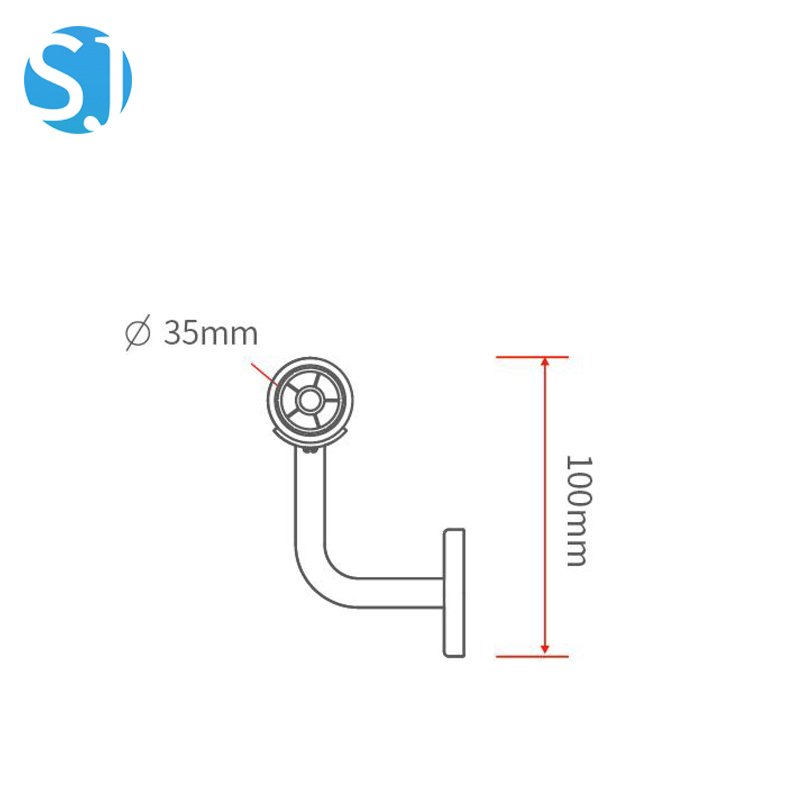
· Aluminum alloy bracket system — structural wall mounting; concealed bracket installation; rated load capacity same as other HR Series models
· 35mm ergonomic diameter — optimal grip dimension for patient hand support along corridor walls
· Suitable for combination with wall protection system — HR-035W can be installed alongside PVC wall guards and corner guards for complete corridor protection; the natural wood handrail provides the grip rail while PVC wall guards provide impact protection below
· 4m standard sections per piece
· Available in four natural wood colors — no Pantone matching required; natural grain variation is a feature of genuine wood
Product Specifications
| Model | HR-035W |
| Profile diameter | 35mm solid wood |
| Standard length | 4000mm |
| Construction | Solid wood grip rail + aluminum alloy wall brackets |
| Wood species options | White Oak / Beech / Bamboo / Dark Walnut |
| Bracket material | Aluminum alloy (concealed installation) |
| Load capacity | Standard HR Series rating (200 kg/m) |
| Installation method | Wall-mounted with aluminum alloy brackets, drilling type |
| Applications | Nursing homes, rehabilitation centers, dementia care facilities, hospices, private hospitals, hotel healthcare facilities, residential care homes |
Installation Steps
1. Determine mounting height — for nursing home and residential care environments, confirm with the occupational therapist or care team. A height of 800–900mm is standard; care environments for predominantly sitting or shorter stature users may specify lower.
2. Mark bracket positions at 400–500mm spacing. For solid wood sections, use closer bracket spacing than equivalent PVC profiles — wood is heavier per metre than PVC, and closer spacing provides better visual support for the wood grain appearance.
3. Confirm structural substrate at all fixing positions. Solid wood handrails are heavier than PVC-covered profiles — ensure fixing positions are in structural wall substrate at every bracket location.
4. Mount aluminum alloy brackets at the marked positions using the appropriate wall anchors for your substrate (stainless steel anchors recommended for all applications with wooden handrails to avoid corrosion staining on the wood).
5. Cut solid wood sections to length if required — use a fine-tooth mitre saw or handsaw for clean, splinter-free end cuts. Sand cut ends lightly with fine-grit sandpaper before fitting end caps.
6. Slide wood sections into the aluminum alloy bracket cradles and secure with the bracket locking screws.
7. Apply a small amount of clear wood finish (lacquer or oil, matching the factory finish) to each cut end to seal the end grain against moisture.
8. Fit aluminum alloy end caps at all run ends.
9. Apply a firm load test to multiple points along the installed handrail before the corridor is returned to use.
Product Advantages
· Genuine material differentiation — the only real solid wood option in the Jincheng handrail range; distinguishes the facility's corridor design from standard PVC handrail installations; communicates care environment quality to residents, families and inspection bodies
· Person-centred care alignment — natural wood materials support the philosophy of residential-scale care environments that research increasingly links to improved resident wellbeing and reduced anxiety in dementia and palliative care settings
· Four species for design flexibility — White Oak for Scandinavian/minimal interiors, Beech for warm contemporary environments, Bamboo for sustainable/natural design themes, Dark Walnut for premium or traditional interiors
FAQ
Q: Is the solid wood surface antibacterial like the PVC-covered HR Series models?
A: Solid wood does not have the same continuous surface antibacterial properties as the antibacterial PVC used in other HR Series models. For acute clinical environments (hospital wards, ICUs, clinical treatment areas) where infection control is a primary specification driver, a PVC-covered handrail (HR-038, HR-089 or wider) is more appropriate. The HR-035W is specified for non-acute residential care environments — nursing homes, rehabilitation, hospice — where infection control requirements are less stringent and natural material warmth is a priority.
Q: How should the wooden handrail be maintained and cleaned?
A: Clean with a damp cloth using a mild neutral detergent. Avoid strong disinfectants, bleach-based cleaners and abrasive scouring products, which can damage the wood finish over time. Wipe dry after cleaning. Annually, apply a thin coat of appropriate wood oil or lacquer matching the factory finish to maintain moisture protection and surface appearance. Replace sections that show significant cracking, splitting or surface deterioration.
Q: Can the HR-035W be used outdoors or in wet areas?
A: The HR-035W is designed for indoor dry corridor use. It is not suitable for outdoor installations, wet rooms, or areas subject to regular water contact or high humidity. For sheltered outdoor corridors or areas adjacent to wet rooms, a PVC-covered model is more appropriate.
Q: Are the four wood species available in the same 35mm diameter?
A: Yes. All four species (White Oak, Beech, Bamboo, Dark Walnut) are available as the standard 35mm diameter grip rail profile in 4m sections.


